Table of contents
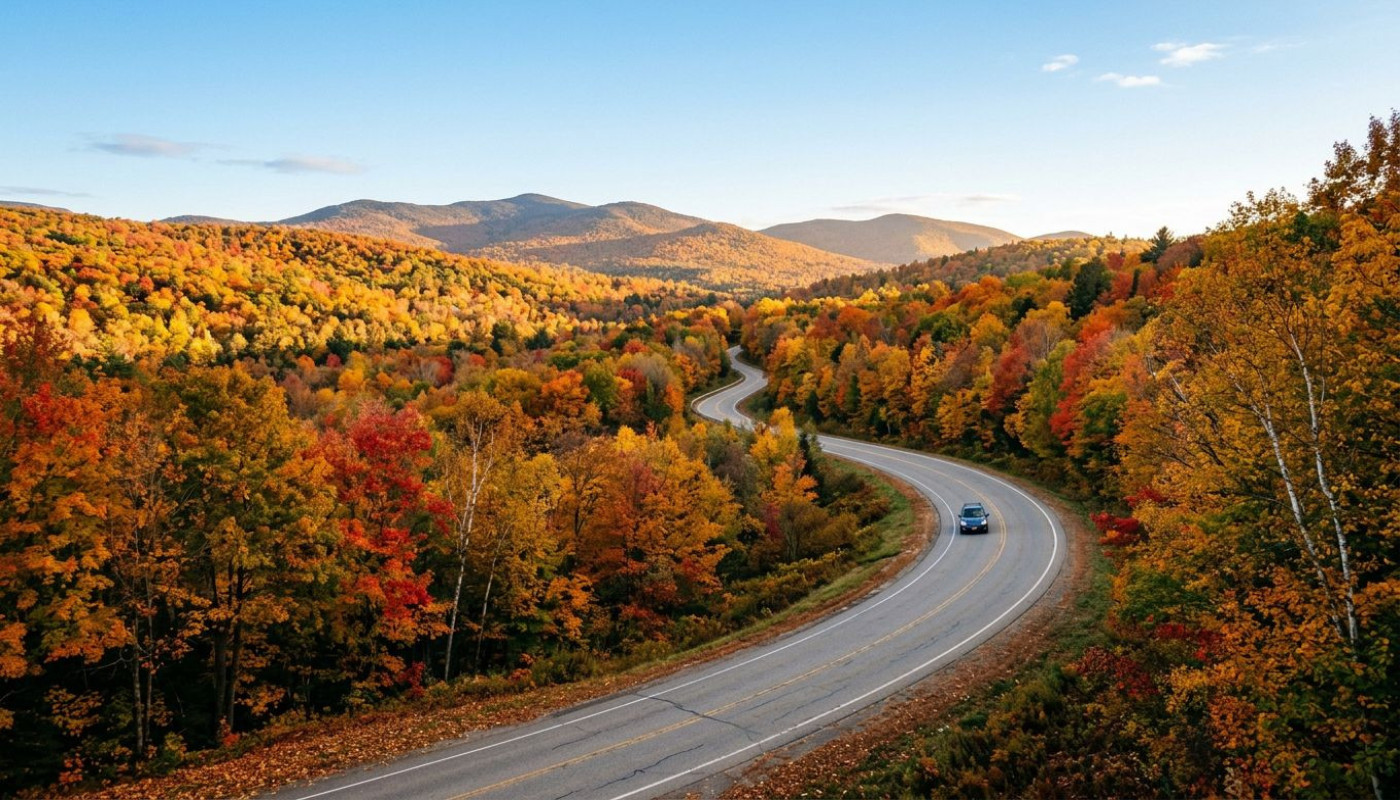
One road, a handful of switchbacks and a horizon that keeps widening, and suddenly the whole trip changes shape. Across Europe and beyond, tourism boards have learned that a single scenic corridor can pull visitors off predictable checklists, spreading spending into smaller towns while easing pressure on overcrowded hubs, and 2025 travel trends show the same appetite: fewer bases, more moving landscapes. Yet not every “panoramic drive” deserves the detour, the best ones rewrite timing, budgets and even what you pack. Here is how one route can quietly become the backbone of an itinerary.
A road trip that sets the tempo
One great drive does more than fill a day, it dictates the rhythm of the entire journey. Travellers plan differently when the road itself becomes the headline: departures shift earlier to catch clean light, lunch becomes a viewpoint rather than a reservation, and the itinerary stops behaving like a string of appointments. In practice, that changes everything from accommodation strategy to how many places you can see without feeling rushed, because a scenic route rewards slow progress and punishes over-optimisation. A common trap is to “add” the drive on top of an existing schedule, which turns a panoramic day into a stressful transit day, but the smarter approach is to build around it and let it create the framework.
This matters economically as well as emotionally. The World Travel & Tourism Council estimates that Travel & Tourism’s contribution reached about 9.1% of global GDP in 2023, and with demand returning unevenly, regions are competing for time, not just arrivals. A route that encourages stops can turn a pass-through region into a place where travellers sleep, eat and pay local guides, and the effect is amplified when the corridor connects contrasting environments, such as vineyards to highlands or lakes to monasteries. The biggest practical payoff for readers is simple: once you accept that the drive is the day, you reduce “dead time”, you avoid doubling back, and you end up with a trip that feels curated rather than crammed.
Why the detour often beats the highlight
Chasing the single “must-see” attraction is a reliable way to end up in the same queues as everyone else. Scenic routes, by contrast, deliver something travellers increasingly value: optionality. You can stop when the light hits, skip a crowded viewpoint, take the short walk you just heard about at a café, and still feel you are getting the core experience. This is where the detour beats the headline attraction, because it offers a chain of smaller moments that add up to a stronger memory than a rushed photo at the famous spot. In destinations where overtourism has become a political issue, the detour is also a form of soft crowd management, spreading visitors across more hours and more places.
Data points help explain why this shift is not just romantic storytelling. The UN World Tourism Organization reported that international tourism rebounded strongly in 2023, reaching roughly 88% of pre-pandemic levels, and that recovery has continued into 2024 with many destinations managing surges and bottlenecks. When demand concentrates, prices rise sharply around a few landmarks, and travellers feel it immediately in parking fees, timed-entry tickets and inflated menus. A well-chosen route dilutes those cost pressures: you might pay a little more in fuel or a driver, but you often save on impulse spending in crowded zones, and you can redirect budget toward experiences that actually deepen the trip, such as tastings, craft workshops or a local guide in a smaller town. If you want the detour to deliver, plan one anchor stop, then keep the rest flexible, that is how a scenic road stays liberating rather than becoming another checklist.
Planning details that make it work
Skip the glossy brochures, the success of a scenic route comes down to unglamorous choices. Start with timing: shoulder seasons can transform a drive, not only by reducing traffic but by improving visibility and comfort, and in many regions the difference between a clear ridge line and a grey wall is simply the hour you leave. Build in buffer time, because viewpoints invite lingering, and a “quick stop” can become a 45-minute walk when the weather cooperates. Then come the constraints that shape the day: road conditions, speed limits, refuelling gaps and whether mobile coverage drops out in the most photogenic sections. These are not details to outsource to luck, they decide whether the route feels cinematic or chaotic.
Travellers also underestimate the impact of logistics on cost and safety. Rental-car terms can quietly add fees for cross-border driving, winter tyres or one-way drop-offs, and the cheapest option can become the most expensive after add-ons, while public transport, when it exists, may require committing to fixed departure times that remove the spontaneity a scenic route promises. If you are building an itinerary around a landscape corridor in a less familiar region, it helps to consult a specialist source that aggregates practical advice, seasonality and route combinations, which is why many readers choose to discover this kind of planning hub before locking in hotels. The goal is not perfection, it is predictability: when you know roughly how long each segment takes and where the last reliable fuel stop is, you can enjoy the road rather than manage it minute by minute.
When the journey becomes the destination
A truly scenic route does something subtle: it changes what you count as “arrival”. Instead of measuring progress by checking into the next hotel, you start measuring it by light, elevation, smells, the way the landscape shifts in ten minutes, and that reframes the entire trip as a sequence of transitions. For many travellers, that is where the deepest satisfaction lies, because movement itself becomes meaningful rather than a tax you pay to reach the “real” place. The result is often a more coherent story when you return home: you remember not only where you were, but how you got there, and the drive becomes the narrative spine.
There is also a practical upside to letting the road carry the trip. It allows you to reduce the number of bases without feeling you are missing out, because the route delivers variety across a single day, and it can make smaller towns viable overnight stops, which are frequently better value than the obvious tourist centres. If you want the “journey-as-destination” effect, treat viewpoints like chapters, not interruptions, and plan at least one short walk or local stop that forces you out of the vehicle. The best drives are not consumed through a windscreen, they are lived in fragments, a roadside bakery, a conversation at a lookout, a half-hour detour to a lake, and then the sudden quiet when the road crests and the world opens.
Before you book, do these three things
Budget for the route, not just the beds, and keep a margin for fuel, tolls, parking and one paid experience that turns a drive into a story. Reserve accommodation with flexible check-in when possible, and avoid stacking a long drive with a late-night arrival. Finally, check local help: regional tourism offices, city cards and seasonal subsidies sometimes cover museums, shuttles or guided visits, and those small aids can free money for the road’s best moments.
Similar articles

How One Unexpected Detour Transformed My Entire Itinerary
Do Spontaneous Detours Outperform Pre-planned Routes For Immersive Adventure?