Table of contents
Book early, plan everything, stick to the checklist: travel advice has rarely sounded more rigid. Yet, in an era of disrupted flight schedules, overbooked “must-see” attractions, and algorithmic itineraries that look eerily identical from one city to the next, spontaneity is making a comeback, not as chaos but as a strategy. The question is no longer whether to improvise, it is how to do it without wasting money, missing key sights, or burning out halfway through a long-awaited break.
Spontaneity is not the same as “no plan”
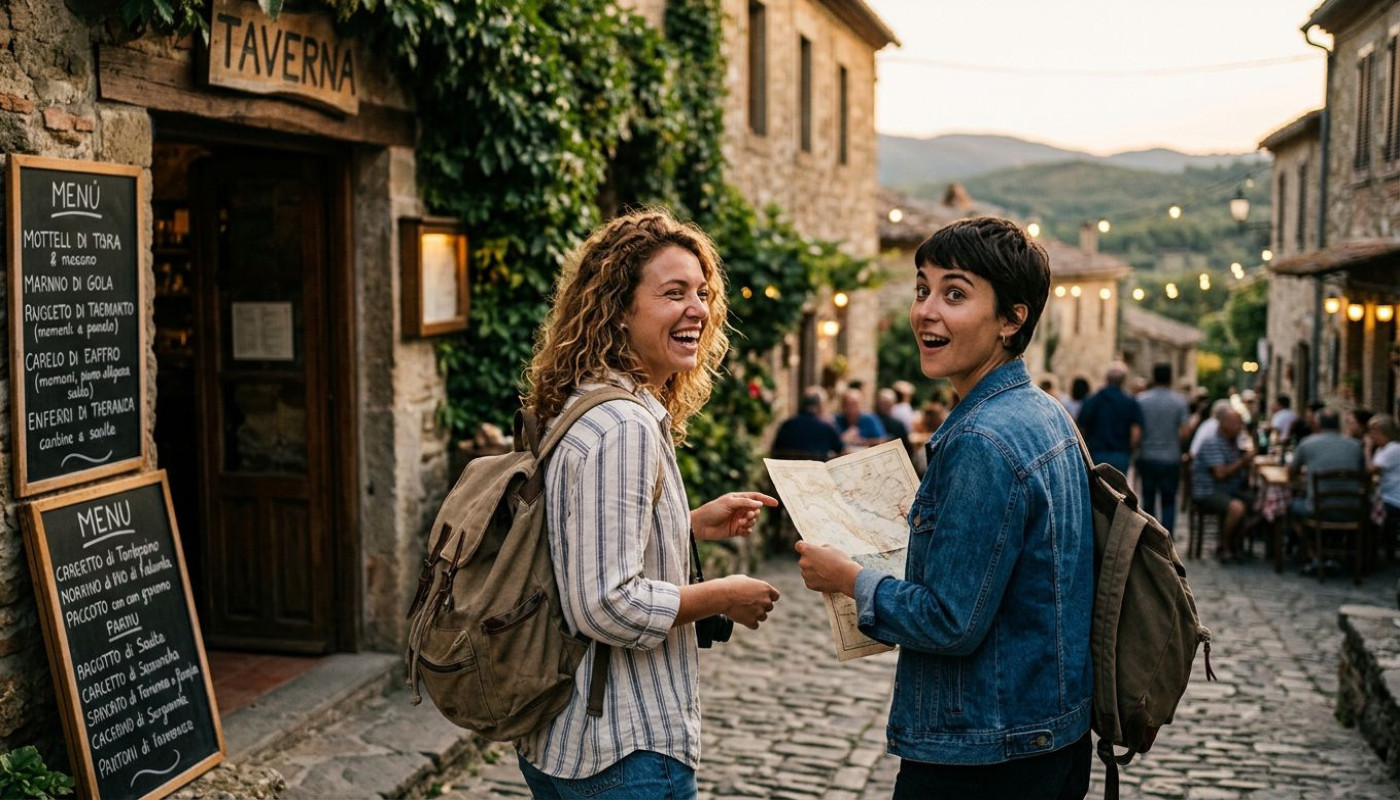
Let’s clear up the fantasy first: spontaneous travel is not boarding a plane with no idea where you will sleep, at least not for most people with jobs, budgets, and limited vacation days. In practice, it is closer to “structured flexibility”, a trip designed with enough scaffolding to reduce risk, and enough open space to let reality improve the script.
Data backs the appeal of that balance. Tourism has surged back strongly since the pandemic shock: international tourist arrivals reached 1.3 billion in 2023, about 88% of the 2019 level, according to UN Tourism, and 2024 has been tracking even closer to a full recovery in many regions. With crowds returning, the costs of rigid plans rise, because last-minute operational changes, weather events, and strikes can turn prepaid, non-refundable choices into sunk costs, while flexible arrangements let travelers adapt instead of absorbing the hit.
There is also a psychological reason people romanticize the unscheduled day. Research on well-being and leisure consistently finds that autonomy, the sense that you control your time, is a major driver of satisfaction. A tightly choreographed itinerary can feel productive, yet it often turns travel into a second job, with the most precious moments, the unplanned conversation in a café, the detour into a neighborhood market, the decision to stay longer because the light is perfect, squeezed out by the next reservation time.
Still, spontaneity without guardrails can be expensive, especially in high-demand destinations where accommodation and transport prices spike as availability drops. The “secret” is not to abandon planning, it is to plan the parts that are costly to change, and keep the rest deliberately fluid. Book the arrival and departure transport when prices are favorable, lock in a small number of high-priority experiences that truly sell out, and then leave breathing room for discovery, rest, and weather changes.
Why the best memories rarely follow scripts
Ask travelers what they remember years later, and the answers rarely sound like a timetable. The emotional high points tend to be social, sensory, and surprising: a street musician in an underpass, a bartender sharing local tips, a viewpoint found by accident after a wrong turn. That is not anecdote alone; tourism researchers often describe “peak moments” as events that are intense, novel, and personally meaningful, and novelty is, by definition, hard to schedule.
What has changed is the modern pressure to document, optimize, and compare. Social platforms reward recognizable landmarks and repeatable “top 10” shots, and that can push travelers toward identical routes, identical food stops, identical angles. Spontaneity works as an antidote, because it restores the traveler’s role as an observer rather than a producer of content. A day left open creates space for serendipity, and serendipity is exactly what the internet cannot pre-package.
There is a practical angle too. Cities are increasingly managing visitor flows, sometimes by requiring timed entries, capping numbers, or shifting access rules with short notice. When a major museum releases last-minute tickets, when a neighborhood festival pops up, or when a sudden heatwave makes an indoor plan smarter than an outdoor one, the traveler with slack in the schedule wins. The rigid itinerary, by contrast, becomes a chain: miss one link, and the whole day feels “ruined”, even if the destination is still full of options.
The art is to engineer opportunities for surprise. That can be as simple as building “no-plan blocks” into the day, or as deliberate as choosing one afternoon to follow a single rule, for example, “walk until something interesting pulls me in”, and then honoring it. It also means accepting that the goal is not to see everything, but to experience something fully, because the trip that tries to capture a city like a checklist often ends up capturing nothing at all.
Money, time, energy: the real constraints
Spontaneity sounds free, until the bill arrives. Airfares and rail tickets often become more expensive close to departure, and the same is true for hotels in popular periods, so the first constraint is financial. The second is time: travelers have fewer days than they have ambitions. The third is energy: fatigue is the hidden budget that overplanning destroys, especially on multi-city trips where early mornings, long transfers, and constant navigation pile up.
To keep spontaneity from turning into stress, focus on the costliest switches. Accommodation is usually the biggest daily expense, and it is also the hardest to improvise during peak dates, so even “spontaneous” travelers often benefit from booking the first nights in advance, then reassessing once they are on the ground. Transport is similar: secure the long-distance legs, and leave local mobility adaptable, because the difference between an unplanned bus and an unplanned flight is the difference between a small inconvenience and a major budget blow.
Then comes the energy equation. Many travelers underestimate the cognitive load of constant decision-making, especially in unfamiliar places. Too much freedom can trigger “choice fatigue”, a phenomenon documented in psychology, where the quality of decisions declines as the number of decisions rises. The solution is counterintuitive: create a light framework, a short list of non-negotiables, a few neighborhoods you want to explore, one or two food priorities, and you will feel freer, not more constrained.
Technology helps, but it can also trap you. Real-time mapping, translation, and booking platforms make improvisation easier than ever, and they can prevent a bad turn from becoming a lost day. Yet relying on ratings and trending lists can steer you back into the algorithm’s tunnel. A useful compromise is to use tech for logistics, opening hours, transit disruptions, availability, and to use curiosity for the rest. If a place feels alive, step inside; if it feels like a queue for a photo, keep walking.
For city breaks, this is where local planning resources can make a difference, because they reduce uncertainty without forcing a rigid schedule. Travelers looking to keep options open while still understanding what is feasible in a limited time often consult practical destination guides such as https://www.manchester-trip.com/, then decide on the ground what deserves a reservation and what can remain a spontaneous choice.
How to improvise without missing the essentials
Here is the paradox: the best improvised trips usually begin with a few disciplined decisions. The first is to identify what would genuinely disappoint you to miss. Is it one specific museum, a match-day atmosphere, a concert, a landmark viewpoint at sunset, a day trip that requires a fixed timetable? Those “anchors” deserve early booking, because they shape the trip’s core story.
Next, build a realistic rhythm. Many itineraries fail because they ignore transit time, meal time, and the simple fact that walking five hours a day feels different on day four than on day one. A practical rule is to limit each day to one major commitment, and then let everything else orbit around it. If you have a morning reservation, keep the afternoon open; if you have an evening event, keep the day lighter. The goal is not empty time, it is elastic time, so that delays, discoveries, and mood changes do not feel like failures.
Weather planning is the overlooked tool of spontaneity. A traveler who has an indoor list and an outdoor list can adapt instantly, turning a rainy morning into galleries and cafés, and a sudden clear evening into a walk or a viewpoint. This is especially valuable in cities where microclimates, wind, and short daylight windows in winter can change the feel of a day. Flexibility is not only about doing more, it is about doing what fits the conditions you actually have.
Finally, treat neighborhoods as your unit of planning, not individual attractions. When you choose a district to explore, you reduce transit, you increase the odds of stumbling into local life, and you naturally create a narrative, because streets, markets, parks, and small venues connect better than scattered points on a map. If you do want to maximize efficiency, pick one area for the morning, one for the afternoon, and allow the route between them to be the adventure, not merely the gap.
Spontaneity also benefits from a few safety practices: keep digital copies of key documents, confirm cancellation policies, and leave financial margin for one unplanned splurge, because an “unforgettable” moment often comes with a price tag, and regret tends to cost more than the upgrade you hesitated over. The traveler who budgets for spontaneity is the traveler who can say yes when the opportunity appears.
Practical pointers before you book
Reserve the big-ticket transport early, keep at least part of your accommodation flexible, and set aside a buffer of 10% to 20% for last-minute plans. Check whether your destination offers city passes, railcards, or off-peak tickets, and look up local discounts for students, seniors, or families before you arrive. If you need certainty, book one key experience per day, and let the rest happen.
Similar articles

Are Spontaneous Detours The Secret To Unforgettable Travel Experiences?

The Science Behind Why Travel Advice Matters More Than You Think

Why Spontaneous Detours Are The Backbone Of Unforgettable Travel Advice
Rethinking Travel Advice: Lessons From Local Encounters
Rookie Mistakes Travelers Still Make (and How The Pros Avoid Them)
How Unexpected Conversations Inspired My Next Itinerary

Embracing the Local Culture: A Traveler's Experience at a Nicaraguan Surf Lodge

What to discover in Switzerland?

Responsible tourism in the service of sustainable development: what to know about?
